Recommender Systems for a Fair and Sustainable Future
 Recommender Systems for a Fair and Sustainable Future
Abstract
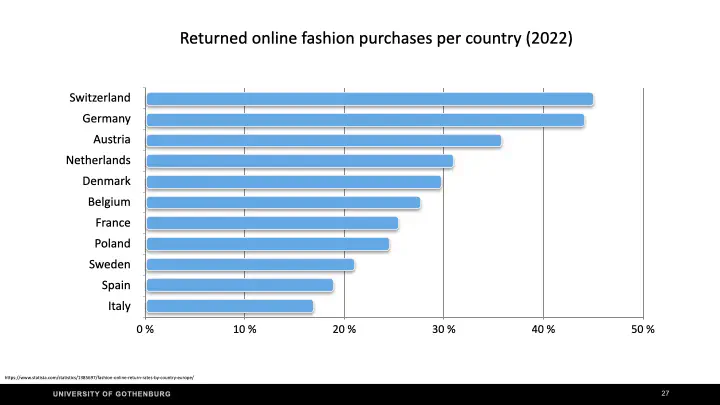
Recommender systems influence what we watch, buy, and consume, yet their development and evaluation remain largely focused on accuracy and engagement, often overlooking their broader environmental and societal consequences. In this talk, I examine sustainability in recommender systems from two complementary perspectives: the computational costs of developing and deploying recommendation algorithms, and the environmental impact of the behaviors these systems encourage. Drawing on recent research into the carbon footprint of recommender systems and examples from e-commerce, I illustrate how marginal improvements in recommendation accuracy can come at substantial computational costs, while relatively small changes in recommendation outcomes can lead to significant reductions in waste and emissions. I argue that sustainable recommendation requires moving beyond traditional evaluation metrics to consider recommender systems as part of a larger technical, logistical, and societal ecosystem. This calls for rethinking not only how we build and evaluate recommender systems, but also what we optimize them for in the first place.